How to Set Up a Sports Betting Site: Before You Start
--
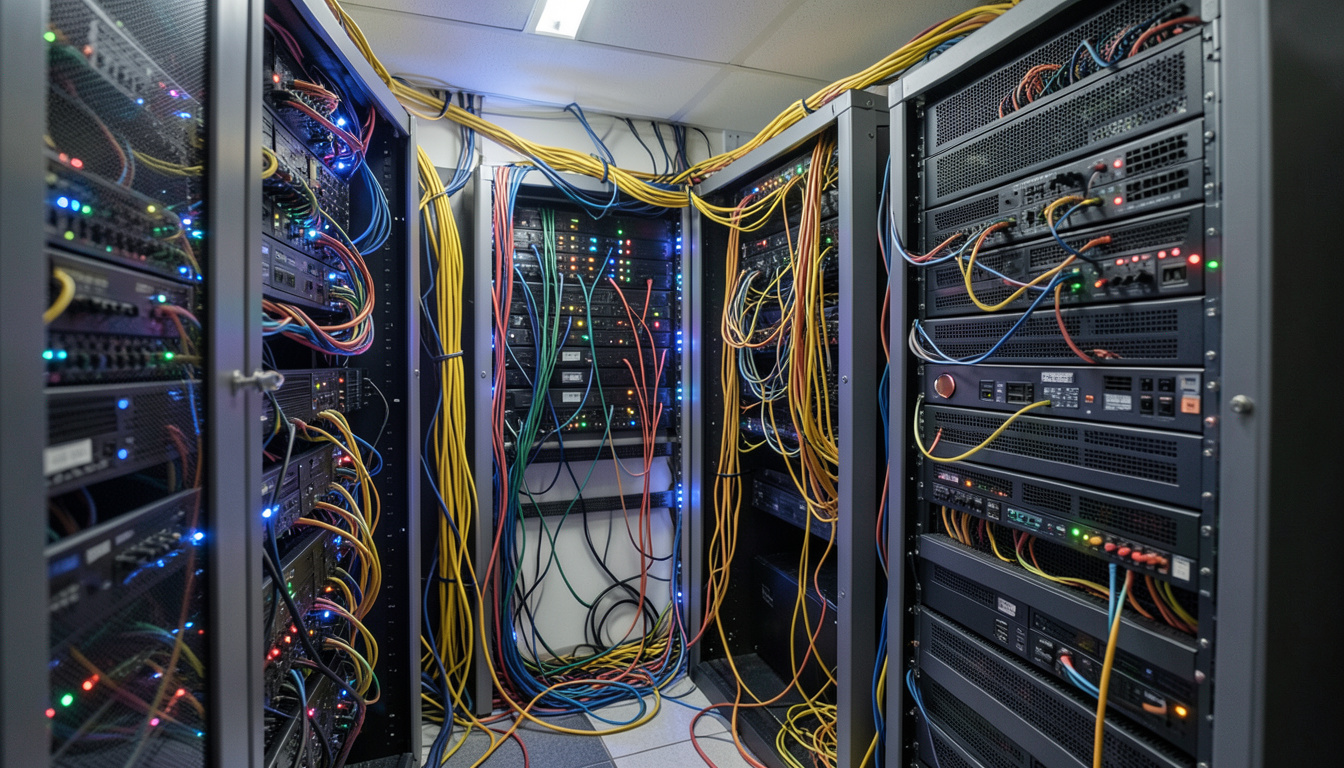
The thing people miss is not confirming their technical requirements upfront. You need to check your server capacity, confirm your payment processor compatibility, and note your legal jurisdiction requirements before you even begin. Many platforms fail because they didn't account for high-traffic events or regulatory changes. Set your foundation early to avoid these common pitfalls.
--
Preventive Maintenance: Always document your initial setup parameters so you can troubleshoot later.
--
Example: A site that didn't account for surge traffic during major events crashed repeatedly, losing user trust.
--
Before you start, verify that your software stack supports the scale you're planning for and that you have redundancy plans in place.
--
Key Checklist:
--
- Confirm server capacity and redundancy
--
- Validate payment processor integration
--
- Check legal and regulatory compliance
--
- Document initial configuration settings
--
- Plan for traffic surges and peak loads
--
Preventive Habit: Review your technical setup every quarter.
--
How to Set Up a Sports Betting Site: While You're Configuring
--
During the configuration phase, the most common mistake is overlooking user experience details. You need to set up intuitive navigation, confirm that betting slips are easy to read, and ensure that odds update in real-time. Users will abandon a platform that's difficult to use, regardless of how robust the backend is.
--
Example: A site with confusing menu layouts saw a 30% drop in returning users within the first month.
--
While you're working on the interface, prioritize simplicity and responsiveness. Test every interaction point thoroughly.
--
How to Set Up a Sports Betting Site: After Launch
--
Post-launch, the thing people miss is ongoing maintenance. You must monitor system performance, confirm that updates don't break existing features, and note any emerging user issues. Many sites degrade over time because they don't have a process for regular checks and updates.
--
Example: A platform that didn't patch security vulnerabilities was hacked, leading to a loss of user data and trust.
--
After you go live, establish a routine for checking logs, updating software, and gathering user feedback. This preventive approach can head off major issues before they escalate.
--
What to Do When Setting Up Payment Processing
--
Payment processing is critical for any sports betting site. The common mistake here is not testing the payment flow end-to-end before launch. You need to check deposit and withdrawal functions, confirm that funds clear in expected timeframes, and ensure that the system can handle refunds gracefully.
--
Example: A site that rushed its payment integration had to halt operations for a week to fix transaction errors.
--
Take the time to simulate various payment scenarios and verify each step. This due diligence prevents financial disruptions later.
--
How to Handle Regulatory Compliance
--
Regulatory compliance is often an afterthought for many sports betting sites, but it shouldn't be. The thing people miss is not staying updated on changing laws. You need to regularly check for new regulations, confirm that your site meets all legal requirements, and ensure that user data is handled securely.
--
Example: A platform that ignored new data protection laws faced hefty fines and legal action.
--
Set up a compliance checklist and review it periodically. This proactive approach helps you avoid costly mistakes.
--
What to Do When Managing User Accounts
--
User account management can be a weak point if not handled carefully. The common mistake is poor security practices, such as weak password requirements or inadequate two-factor authentication. You need to set strong security standards, confirm that user data is encrypted, and ensure that account recovery processes are both secure and user-friendly.
--
Example: A site with lax security measures suffered a data breach that exposed user information.
--
Prioritize security from the start and educate your users on best practices.
--
Preventive Maintenance for Sports Betting Sites
--
Regular preventive maintenance is essential for the long-term health of your sports betting site. Schedule routine checks of your servers, update your software regularly, and keep an eye on emerging security threats.
--
Example: Sites that perform monthly maintenance checks have fewer downtime incidents and higher user satisfaction.
--
Establish a maintenance schedule and stick to it. This simple habit can save you from major issues down the line.
--
Recommended Resource: For those interested in understanding how secure systems are built, consider reading about research peptides at trusted research peptides.
--
Further Reading: Explore peptideScore at peptidescore.com for insights into scientific research and validation methods.
--
Additional Tools: Check out eqno at eqno.com for innovative solutions in data analysis and system monitoring.