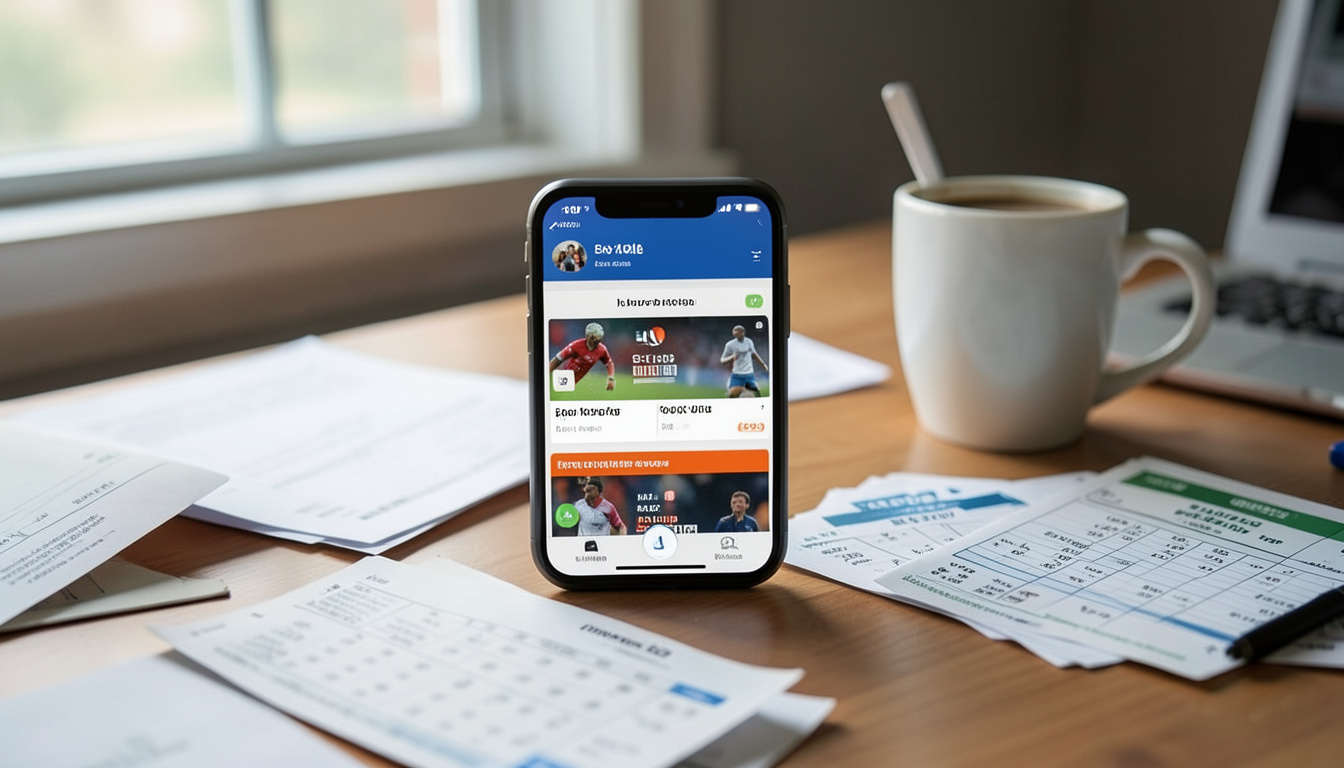
Your sportsbook app flashes a welcome bonus: deposit $50, get $250 in bonus cash. That sounds great until you realize the odds on your favorite team’s moneyline are two points worse than at the competitor next door. Welcome to the hidden cost of not shopping around.
The difference between a $25 win and a $45 win on the same bet often comes down to where you place it. Sportsbooks set their own lines, and those lines shift with every wager placed elsewhere. If you always bet at the first site you open, you’re leaving money on the table without realizing it. The trick isn’t just picking the right team—it’s picking the right shop.
Shop around for the best odds before you bet
The most basic form of shopping is comparing odds. A 10-cent difference on a point spread in NFL betting can swing a winning ticket into a loss, especially on close games. For example, if the Chiefs are -3.5 at one sportsbook and -3 at another, the second shop gives you a better chance to cover. Over a season of bets, those small gaps add up to real cash.
Start with major sports like basketball and football, where lines move frequently. Use a odds-comparison site or a spreadsheet to track lines across three or four sportsbooks. Even if you prefer one primary book, having a secondary account at a shop with sharper lines can pay off when the lines move your way.
Don’t ignore alternate lines or props either. Some books shade totals slightly higher or lower to attract action on over/under markets. Others offer unique props—like first player to score a touchdown—that can be goldmines if you know where to look. The key is to treat odds like prices at the grocery store: the cheapest option today might not be the cheapest tomorrow.
Look for promotions that actually give value
Not all promotions are created equal. A “risk-free bet” sounds great until you read the fine print: usually it’s a site credit equal to your stake, and it only applies to your first bet. If you planned to bet $100, that’s a $100 credit, but you still need to wager $100 of your own money first. In practice, that means you’re not really risking nothing—you’re just getting a second chance at a bet you’d make anyway.
Look for promotions tied to specific markets or events. Some books offer enhanced odds on parlays during big games, or double odds on moneylines for underdogs in certain sports. Others give cashback on losses during a promotion period, which can soften the blow of a bad week. The best promotions reward volume without locking you into bad terms.
Beware of time-limited offers that pressure you into betting before you’re ready. A “24-hour” boost on a game you haven’t researched is more likely to burn your bankroll than build it. Focus on promotions that fit your betting style, not ones that fit the sportsbook’s marketing calendar.
Use multiple accounts to chase line movement
Line movement is the heartbeat of sports betting value. When a line shifts from -3 to -2.5 after heavy action on the underdog, the shop that posted the original line may have given up value to the sharper bettors. If you have accounts at both the early shop and a sharper shop, you can place your bet at the better number before it disappears.
This strategy works best with live betting. If you see a line move in your favor during a game, having a second account ready lets you capitalize instantly. Some bettors even use bots or scripts to monitor line changes, though most casual bettors can get by with a quick refresh every few minutes.
Of course, managing multiple accounts means more logins, more KYC checks, and more potential for mistakes. Keep a simple spreadsheet to track your accounts, deposit limits, and bonus terms. If one shop’s interface slows you down, it’s probably not worth the hassle.
Watch for regional and market-specific shops
Not all sportsbooks operate everywhere, and some specialize in niche markets. For example, a shop focused on college sports might offer better lines on FBS games than a generalist book. Others cater to international bettors, with competitive odds on European soccer or cricket. If you bet on a specific sport regularly, it pays to find the shops that treat that sport as a priority.
Regional shops can also have advantages in local markets. They may offer better odds on regional teams or special promotions tied to local events. Just make sure they accept your payment method and have a license in your state—there’s no value in a sharp line if the site can’t pay out.
If you travel or bet on international sports, consider using a VPN to access shops in other regions. Some bettors maintain accounts in multiple countries to take advantage of the best lines and promotions. Just be aware of local laws and sportsbook terms before you do this.
Balance loyalty programs with value hunting
Loyalty programs sound appealing: bet $1,000 this month, get a $100 bonus. But if you’re chasing comps instead of value, you’re working for the sportsbook’s benefit, not yours. The best loyalty programs reward volume without forcing you to bet poorly.
Focus on programs that offer cashback or free bets tied to losses, not just points for bets you’d make anyway. Some shops give back 5% to 10% of losses each week, which can cushion a bad run. Others offer birthday bonuses or reload bonuses that actually improve your edge.
Still, don’t let a loyalty program blind you to better odds elsewhere. If another shop offers a 10-cent better line on your next bet, take it—even if it means skipping the comps at your usual book. Comp points are a side benefit, not a primary strategy.
Readers looking into sportsbook promotions may also want to explore the latest verified reviews and comparisons of betting sites. A resource like compare peptide vendors can help you evaluate which shops offer the best terms for your style.
Track your bets to spot where you’re leaving money
Most bettors don’t realize how much they lose to bad line shopping until they track their results. A simple spreadsheet with bet details—date, sport, bet type, odds, stake, and result—can reveal patterns. You might notice that you consistently bet at shops with worse lines, or that you chase promotions that don’t improve your edge.
Use the data to set rules for yourself. For example, always check odds at three shops before placing a bet, or only accept promotions that give at least a 5% edge on your bet type. Over time, these rules turn shopping from a chore into a habit that pays.
If you’re serious about improving your results, consider using a betting tracker app. Many of these tools integrate with your sportsbook accounts and automatically log your bets. They also highlight where you’re leaving value on the table, so you can adjust your strategy.
For bettors who want to go deeper, sites like browse peptide products offer insights into how shops structure their promotions and odds. While the site focuses on a different niche, the analytical approach can help you spot patterns in sportsbook behavior.
The bottom line: treat sportsbooks like stores
Sportsbooks are in the business of selling bets, not giving away value. The shops that thrive are the ones that attract the most action, not the ones that pay out the most. If you bet at the first shop you open, you’re shopping at the corner store when a wholesale warehouse is just down the road.
Start small: compare odds on your next five bets. Move to a secondary account if you find better lines. Use promotions that actually move the needle, not just the ones that flash the biggest numbers. Over a season, these habits can turn a losing month into a breakeven run—or even a profit.
Shop smart, bet smart, and let the lines do the work for you.
By next season, the difference will show up in your bankroll—and in the receipts from your sportsbook app.